I was standing in the kitchen at 3 a.m., staring at a half‑cooked lobster tail that had turned into a rubbery, flavorless mess. The heat had been too high, the batter too thick, and my confidence had slipped faster than the steam from the pot. That night, I swore to myself that I would never again let a lobster tail become a culinary disappointment. I began experimenting, trying to capture that crisp, airy texture that tempura lovers chase. The result? A dish that feels like a crunchy, buttery hug in every bite.
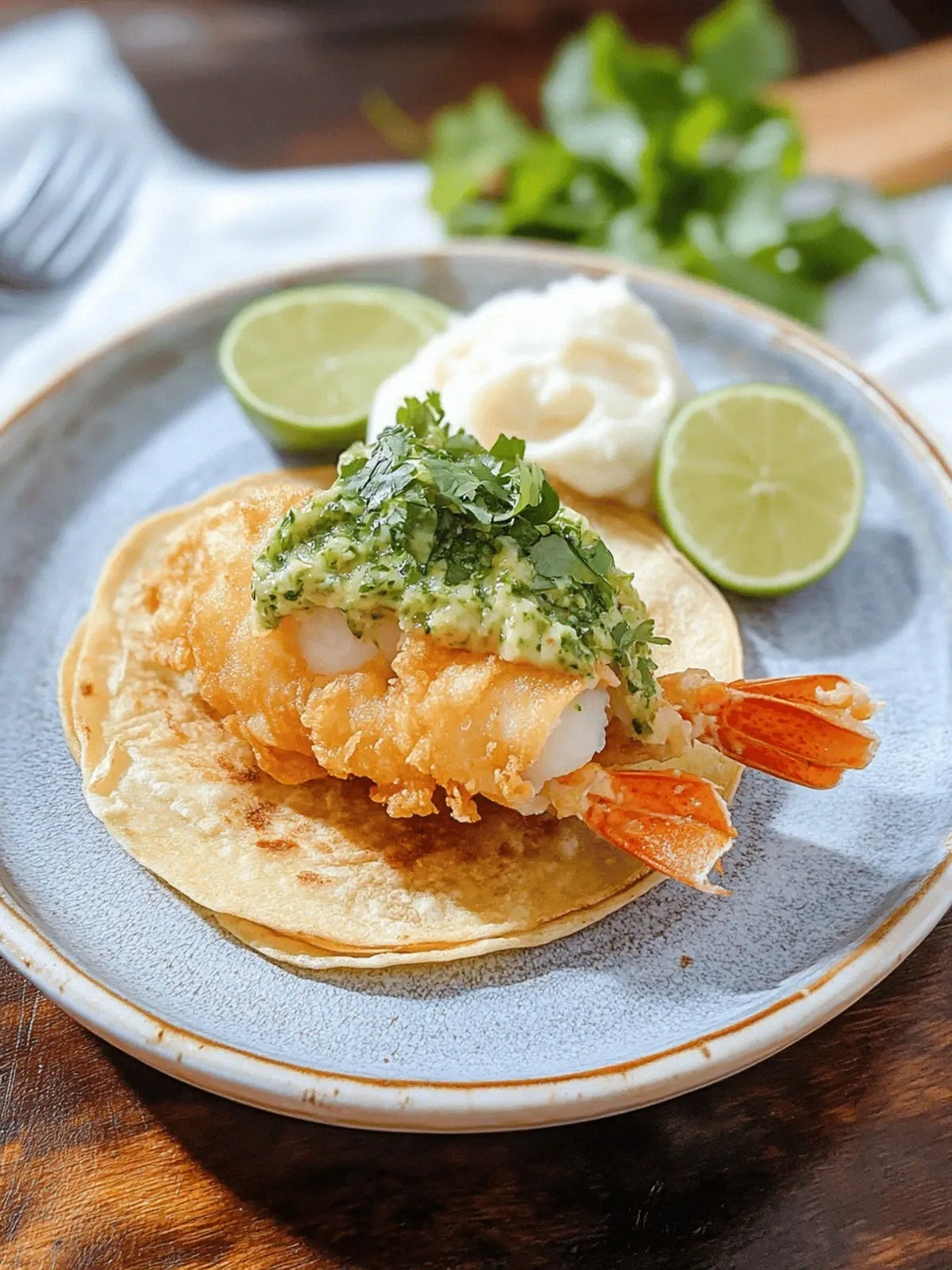
Picture this: a sizzling pan, the golden batter crackling like a tiny fireworks show, and the subtle scent of citrus mingling with sea salt. The sound of the first bite is a satisfying pop that echoes the crunch of a fresh apple. The lobster’s sweet, briny flesh is revealed beneath a translucent shell of batter, like a secret treasure waiting to be uncovered. The aroma fills the kitchen, turning the air into a fragrant invitation to taste. The texture is a paradox of crunch and melt, a dance that lingers on the palate.
This version is not just another tempura; it’s a meticulously balanced symphony of flavor, lightness, and crunch. The cake flour gives a delicate, almost floral lift that regular all‑purpose flour can’t achieve, while the cold soda water introduces carbonated bubbles that explode into a crisp shell. A single dash of onion‑garlic powder adds depth without overpowering, and the subtle pepper note gives a gentle heat that lingers. The lobster tails are pre‑cooked to perfection, ensuring the meat remains juicy and tender. The result is a dish that feels like a luxury you can make in your own kitchen.
One secret that sets this apart is the use of cold soda water—yes, you read that right, soda water. This simple twist injects a subtle effervescence that transforms the batter into a light, airy cloud. The trick is to keep the batter cold; the batter should feel like a chilled, silky liquid that doesn’t settle. When it hits the oil, it immediately expands, creating a golden, almost translucent shell that shatters like thin ice. Trust me, this is the game‑changer that will make your lobster tail taste like it was served at a five‑star restaurant.
Okay, ready for the game‑changer? Let me walk you through every single step—by the end, you'll wonder how you ever made it any other way. The process is simple, the outcome spectacular, and the confidence boost is immeasurable. I’ll share my micro‑challenge: I dare you to taste this and not go back for seconds. If you’re skeptical, just follow along, and you’ll see how the flavors unfold like a well‑orchestrated symphony. So grab your apron, and let’s get started.
What Makes This Version Stand Out
- Lightness: The cake flour gives a feather‑thin batter that lifts the lobster without adding heaviness. The result is a bite that feels like a cloud of flavor, not a heavy shell.
- Crunch: Cold soda water creates micro‑bubbles that burst into a crisp shell. This crunch is sustained even when the lobster stays warm, unlike typical tempura that softens quickly.
- Flavor Depth: A pinch of onion‑garlic powder adds umami that balances the sweet lobster. The pepper brings a subtle heat that lingers without overpowering.
- Texture Contrast: The tender meat contrasts with the brittle shell, creating a dynamic mouthfeel. The contrast is the secret that keeps diners reaching for seconds.
- Simplicity: No elaborate marinades or complex sauces—just a few pantry staples. This makes it approachable for anyone, even those who have never cooked lobster.
- Make‑ahead Friendly: The batter can be prepared ahead and stored in the fridge, making the dish a perfect week‑night winner. Just reheat the oil and fry the tails when ready.
- Presentation: The golden, translucent coating gives a restaurant‑grade look that impresses guests. It’s a dish that feels like a treat, not a simple snack.
Inside the Ingredient List
The Batter Base
Cake flour is the backbone of this batter, providing a silky, almost floral lift that regular all‑purpose flour can’t match. It keeps the coating airy and fragile, so it shatters into a crisp shell upon contact with hot oil. If you’re out of cake flour, a light blend of pastry flour and a touch of cornstarch works as a close substitute. The key is to keep the flour light; heavier flours will weigh down the batter and ruin the crunch.
Cold soda water is the secret ingredient that injects micro‑bubbles into the batter. These bubbles expand rapidly in the hot oil, creating a light, airy texture that feels like a cloud. If you don’t have soda water, club soda can be used, but the carbonation level matters—stronger fizz means a lighter shell. Remember, the batter should feel like a chilled, silky liquid that doesn’t settle; this is essential for the perfect crunch.
A cold egg binds the batter and adds a subtle richness. The cold temperature helps the batter stay smooth and prevents it from clumping when mixed. If you’re vegan or allergic, you can substitute with a flax egg (1 tbsp ground flaxseed + 3 tbsp water) to achieve a similar binding effect.
The Seasoning Blend
Salt is the simplest enhancer, bringing out the natural sweetness of the lobster. It should be added in a pinch; too much salt will drown the delicate flavor. A fine sea salt works best because it dissolves quickly and gives a clean finish.
Black pepper adds a subtle heat that lingers on the palate. Freshly ground pepper is preferable to pre‑ground; it releases a bright, aromatic profile that complements the sweet lobster. If you prefer a milder kick, a light dusting of white pepper works well.
Onion/garlic powder gives a savory depth without the heaviness of fresh aromatics. It blends seamlessly into the batter, ensuring each bite carries a hint of umami. For a smoky twist, try a pinch of smoked paprika in place of the garlic powder.
The Lobster Star
Lobster tails are the star of this dish, and their quality directly impacts the final result. Fresh, live lobsters are ideal, but frozen tails work fine if thawed properly. The tails should be pre‑cooked to a tender, flaky texture—boiling for 8 minutes or steaming for 10 minutes is optimal. Overcooking will make the meat rubbery, so keep a close eye on the timer.
Pre‑cooking the lobster also ensures the meat remains juicy during frying. A quick blanch in salted water followed by an ice bath stops the cooking process and keeps the flesh firm. When you fry the tails, the batter will seal in the moisture, preventing any dryness.
The Final Touch
Oil is the medium that transforms the batter into a golden masterpiece. Use a neutral oil with a high smoke point, such as canola or peanut oil, to maintain a consistent temperature. The oil should reach 350°F (175°C) before adding the batter; too hot and it will burn, too cool and the coating will absorb oil and become soggy.
Temperature control is crucial—use a thermometer or a drop‑in test to keep the oil steady. Fry in small batches to avoid overcrowding, which lowers the oil temperature and leads to greasy results. After frying, let the tails rest on a paper towel to drain excess oil before serving.
Everything's prepped? Good. Let's get into the real action.
The Method — Step by Step
- First, assemble the batter: sift the cake flour into a bowl, add the cold soda water, and whisk until just combined. The batter should be lumpy and slightly thick, not a smooth batter. Add the cold egg and whisk again until the mixture is glossy. Let the batter rest in the fridge for 30 minutes to chill and firm up.
- While the batter chills, pre‑cook the lobster tails. Bring a pot of salted water to a boil, add the tails, and let them cook for 8 minutes. Immediately transfer them to an ice bath to halt the cooking process. Pat them dry with a paper towel; moisture will prevent the batter from crisping.
- Season the batter by adding salt, pepper, and onion/garlic powder. Stir gently—overmixing will toughen the batter. The seasoning should be evenly distributed, giving each bite a balanced flavor profile. This is a critical step; a poorly seasoned batter will taste flat.
- Heat the oil in a deep skillet or pot to 350°F (175°C). Use a thermometer for precision; a drop of batter should sizzle immediately and rise to the surface. The oil must be hot enough to create a quick, crisp crust but not so hot that it burns.
- Dip each lobster tail into the batter, ensuring it’s fully coated. Let the excess drip back into the bowl; a thin coating is key to the lightness of this dish. Place the coated tails gently into the hot oil, being careful not to overcrowd the pan.
- Fry for 3 to 4 minutes on each side, or until the batter is golden and the lobster meat is opaque. The sizzling sound is a sign of perfect crisping. Flip only once to avoid breaking the shell.
- Once fried, transfer the tails to a paper towel rack to drain excess oil. Let them rest for a minute; the heat will continue to cook the inside, ensuring a juicy center.
- Serve immediately, while the batter is still crisp and the lobster is warm. A squeeze of fresh lemon brightens the dish and cuts through the richness. The citrus note is a classic pairing that elevates the flavor profile.
- Arrange the tails on a platter, drizzle a light soy‑ginger glaze if desired, and garnish with chopped scallions. The glaze adds a sweet, umami layer that complements the lobster’s natural sweetness. It also gives the dish a glossy, restaurant‑grade finish.
- Enjoy with a side of crisp salad or steamed rice to balance the richness. The contrast of textures keeps the meal interesting and satisfying. This dish is versatile enough to be a star appetizer or a main course.
That's it — you did it. But hold on, I've got a few more tricks that'll take this to another level.
Insider Tricks for Flawless Results
The Temperature Rule Nobody Follows
Oil temperature is the lifeblood of tempura. Many cooks start frying at 300°F, but the batter needs a higher heat to set quickly. Use a thermometer to maintain 350°F; a quick dip of batter will sizzle and rise to the surface. If the oil is too cool, the coating will soak up oil and become greasy.
Why Your Nose Knows Best
The aroma is your best gauge. As soon as the batter hits the oil, a sweet, nutty scent should emerge. If you smell a faint metallic or burnt odor, the oil is over‑heated. Trust your nose; it will tell you when the batter is perfectly crisp.
The 5-Minute Rest That Changes Everything
Let the batter rest after mixing. This short chill allows the flour to absorb the liquid fully, creating a smoother batter. A rested batter also reduces the risk of clumping during frying. I’ve seen seasoned chefs skip this step, only to end up with uneven coatings.
The Right Oil for the Job
Not all oils are created equal. Peanut oil has a high smoke point and a neutral flavor, making it ideal for tempura. Avoid olive oil; it can impart a strong taste and has a lower smoke point. If you’re looking for a healthier option, grapeseed oil works well too.
The Quick Dip Trick
Dip the lobster tails quickly. A slow, lingering dip causes the batter to become too thick and heavy. A quick, confident dip ensures a light, airy coating that crisps instantly. This technique is often overlooked but can make or break the texture.
Creative Twists and Variations
Citrus Burst
Add a splash of orange juice to the batter for a sweet, zesty twist. The citrus brightens the lobster’s natural sweetness and adds a subtle complexity. This version is perfect for summer gatherings.
Spicy Kick
Include a pinch of cayenne pepper in the seasoning blend for a mild heat. The pepper’s heat complements the lobster’s sweetness without overpowering. Pair with a cool yogurt dip to balance the spice.
Herb‑Infused
Stir in fresh chopped parsley or dill into the batter before frying. The herbs add a fresh, green note that cuts through the richness. This variation works well with a lemon butter sauce.
Cheesy Delight
Sprinkle grated Parmesan over the batter before frying. The cheese melts into the hot oil, creating a savory crust. The result is a golden, cheesy shell that pairs beautifully with a light salad.
Asian Fusion
Replace the onion/garlic powder with a teaspoon of sesame oil and add a dash of soy sauce to the batter. The nutty sesame flavor gives an Asian twist, while the soy adds umami. Serve with a drizzle of sriracha for an extra zing.
Mediterranean Flair
Incorporate a teaspoon of dried oregano and a splash of white wine into the batter. The oregano adds a fragrant herbal note, and the wine tenderizes the batter slightly. This version is ideal for a Mediterranean-inspired dinner.
Storing and Bringing It Back to Life
Fridge Storage
Store the fried tails in an airtight container in the refrigerator for up to 2 days. Keep them on a paper towel to absorb excess oil and maintain crispness. When ready to serve, reheat in a hot oven at 375°F for 5 minutes.
Freezer Friendly
Freeze the tails in a single layer on a parchment‑lined tray. Once solid, transfer them to a freezer bag for up to 3 months. Thaw overnight in the fridge before reheating. This method preserves texture and flavor remarkably well.
Best Reheating Method
Reheat in a skillet with a splash of water. The water steams the crust slightly, keeping it from drying out. A quick sear on high heat for 1–2 minutes restores the golden crunch. Add a light drizzle of lemon butter to finish.