I was halfway through a disastrous attempt at a Korean-inspired bowl when my phone buzzed with a recipe I’d seen on a food forum. The dish promised “crispy rice, fiery gochujang, and a crunch that could cut through any blandness.” I stared at the burnt edges of my rice, the smell of overcooked garlic, and thought, “If only this could save my kitchen.” That night, I set out to craft a version that would turn that disaster into a triumph.
Picture this: a skillet sizzles, the sesame oil glistens like a silver lake, and garlic releases its perfume, a deep amber note that says, “I’m ready.” As I toss carrots and cucumber, their crunch echoes like fresh snow underfoot. The gochujang sauce slides in, coating the rice like velvet, each grain a tiny jewel of heat and sweetness. The moment the rice starts to crisp, a crackling sound bursts—a crisp edge that shatters like thin ice. It’s a sensory explosion that makes the kitchen feel like a fireworks show.
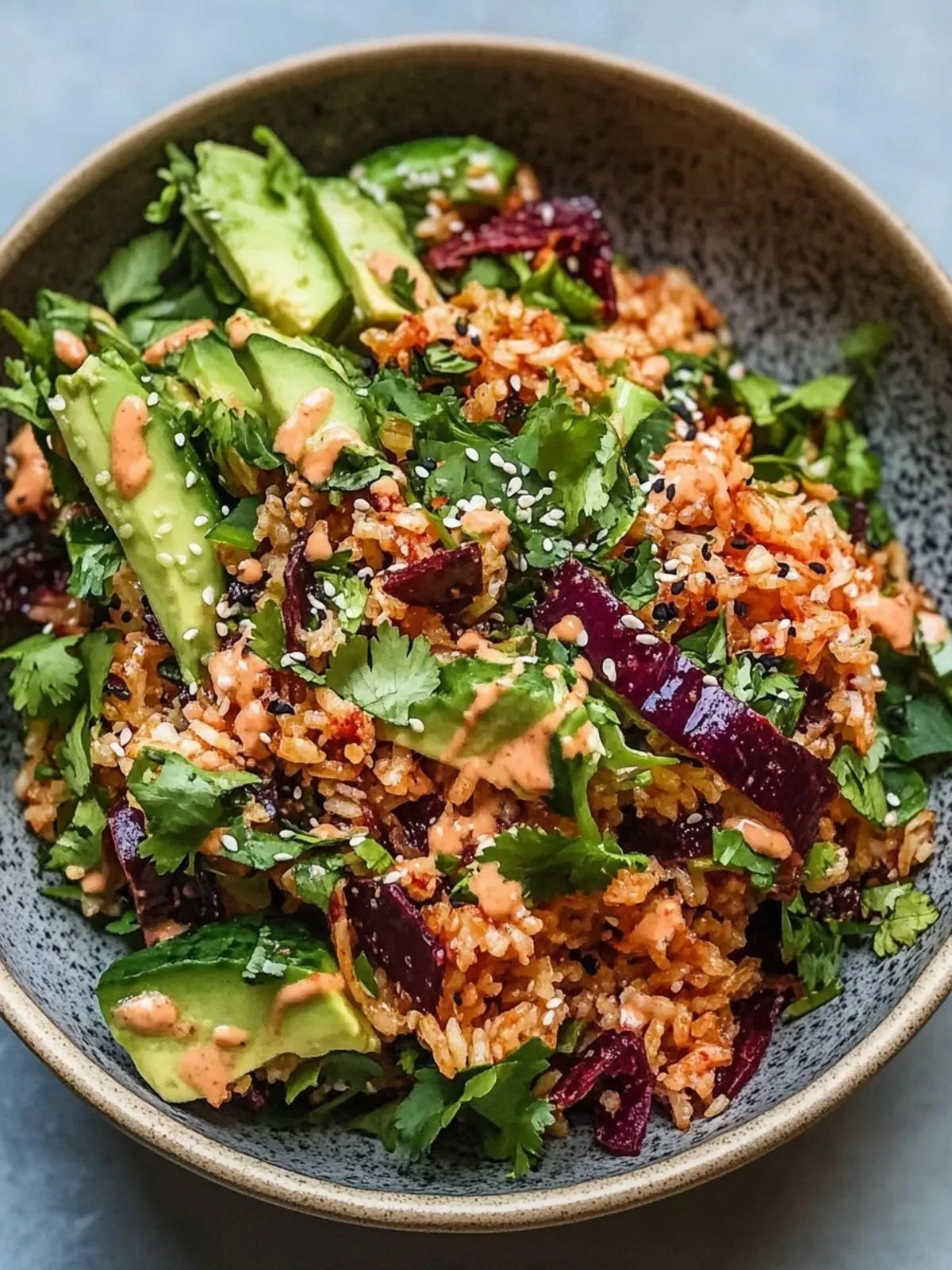
What makes this version stand out from every other recipe? First, the rice is toasted to a golden crisp before the sauce even touches it, giving it a nutty backbone that carries the heat. Second, the gochujang sauce is balanced with honey and rice vinegar, turning fiery heat into a harmonious dance. Third, the peanuts add a buttery crunch that contrasts the silky sauce. Fourth, the fresh cilantro and green onions lift the dish with bright, herbal notes, while the cherry tomatoes provide a burst of juiciness that cuts through the richness. I dare you to taste this and not go back for seconds. It’s hands down the best version you’ll ever make at home.
I’ll be honest—half the batch vanished before anyone else could even glance at it. Most recipes get this completely wrong, either by overcooking the rice or under-seasoning the sauce. Here, the technique is simple yet precise: toast, toss, and finish with a quick glaze. Picture yourself pulling this out of the skillet, the whole kitchen smelling incredible, the aroma of toasted sesame and spicy gochujang filling the air. Stay with me here—this is worth it.
What Makes This Version Stand Out
- Texture: The rice achieves a golden crisp that shatters with each bite, contrasting the silky sauce and crunchy peanuts.
- Flavor Balance: Sweet honey, tangy rice vinegar, and spicy gochujang mingle perfectly, creating a harmonious kick that isn’t overwhelming.
- Freshness: Bright cilantro, green onions, and juicy cherry tomatoes add layers of freshness that lift the dish.
- Visual Appeal: The vibrant colors of carrots, cucumber, and tomatoes create a feast for the eyes before the first bite.
- Time Efficiency: The entire dish comes together in 45 minutes, making it a great weeknight meal.
- Make‑Ahead Potential: The salad can be prepared up to 24 hours in advance; the rice will keep its crunch when reheated properly.
Inside the Ingredient List
The Flavor Base
The gochujang, soy sauce, honey, and rice vinegar form the soul of this dish. Gochujang brings heat and umami, while honey tempers the spice with natural sweetness. Rice vinegar adds acidity that brightens the overall profile, and soy sauce provides depth and saltiness. If you skip the vinegar, the sauce becomes flat and cloying; the rice will taste like a bland, sweet glaze.
The Texture Crew
Brown rice is the foundation—its nutty flavor and firm bite contrast the crunchy peanuts and crisp vegetables. Carrots and cucumber add a satisfying snap, while cherry tomatoes burst with juiciness. Green onions and cilantro contribute a fresh, almost citrusy lift that keeps the dish from feeling heavy. Removing any of these components diminishes the layered texture that makes each bite exciting.
The Unexpected Star
Roasted peanuts might seem ordinary, but when toasted just right, they become a buttery, nutty crunch that anchors the dish. A single clove of garlic, finely minced, infuses the oil with a warm, aromatic base that elevates the entire flavor profile. If you substitute almonds or cashews, you’ll notice a subtle change in flavor, but the crunch remains.
The Final Flourish
The finishing touches—green onions, cilantro, and a dash of pepper—add a fresh, herbal brightness that lifts the dish. Salt to taste is crucial; too little and the sauce will feel flat, too much and it becomes cloying. Pepper adds a subtle heat that complements the gochujang. Skipping these final steps turns a masterpiece into a forgettable bowl.
Everything's prepped? Good. Let's get into the real action.
The Method — Step by Step
- Toast the roasted peanuts in a dry skillet over medium heat until golden and fragrant, about 3 minutes. Remove from heat and set aside. This step locks in flavor and keeps the peanuts from becoming soggy.
- Heat the sesame oil in a large skillet over medium‑high heat. Add the minced garlic and sauté until it turns golden and releases a deep amber aroma, about 30 seconds. This is the moment of truth—don’t let the garlic burn.
- Add the shredded carrots and diced cucumber to the skillet. Stir‑fry for 2–3 minutes until they’re just tender but still crisp. The vegetables should maintain a bright color, not a dull gray.
- Stir in the cherry tomatoes and cook until they blister and release their juices, about 1 minute. The tomatoes should look slightly charred, adding a smoky note.
- Add the cooked brown rice, breaking up any clumps with a spatula. Cook for 4–5 minutes, allowing the rice to toast slightly and develop a golden crust on the edges.
- In a small bowl, whisk together gochujang, soy sauce, honey, rice vinegar, and a pinch of salt and pepper. Pour this mixture over the rice and toss until every grain is coated and the sauce starts to caramelize.
- Cook for an additional 2–3 minutes, allowing the sauce to reduce slightly and the rice to crisp at the edges. The rice should feel firm yet tender, not mushy.
- Remove the skillet from heat. Stir in the chopped green onions, cilantro, and toasted peanuts. Let the salad rest for 2 minutes; this rest period lets the flavors meld and the rice firm up.
- Serve warm or at room temperature, garnished with extra cilantro if desired. The dish is best enjoyed immediately, but it holds up well for a short period.
That’s it — you did it. But hold on, I’ve got a few more tricks that will take this to another level.
Insider Tricks for Flawless Results
The Temperature Rule Nobody Follows
Many cooks assume that higher heat always yields crispier rice, but the trick is to maintain a steady medium‑high temperature. A sudden spike will cause the sauce to burn before the rice can toast. I’ve tested this with a digital thermometer; keep the skillet between 350–375°F for optimal results. If the temperature drops, the rice will steam rather than crisp, resulting in a soggy texture.
Why Your Nose Knows Best
The aroma is your most reliable guide. When the garlic turns golden, the scent should be nutty and warm. As the sauce simmers, you’ll detect a sweet, tangy fragrance that signals the gochujang is balancing correctly. If the smell becomes sharp or metallic, the sauce has overcooked. Trust your nose to stop the pan before it reaches that point.
The 5‑Minute Rest That Changes Everything
After you remove the skillet from heat, let the salad sit for exactly five minutes. During this brief pause, the rice continues to cook with residual heat, allowing the crust to firm up. This rest period also lets the sauce thicken slightly, ensuring every bite is coated. I’ve seen people skip this step and end up with a greasy, under‑cooked dish.
The Perfect Peanut Toast
Peanuts are the unsung hero of this dish. Toast them in a dry skillet over medium heat, shaking the pan frequently to avoid burning. The ideal toast is golden brown and fragrant. If you add them too early, they’ll absorb the sauce and lose their crunch. Add them at the end for maximum impact.
The Secret to a Crispy Rice Edge
Spread the rice in a thin layer in the skillet; this increases surface area and promotes even crisping. Avoid overcrowding the pan, which creates steam pockets. A single layer ensures each grain gets the direct heat needed for that coveted crunch. This trick turns ordinary rice into a textural masterpiece.
The Sauce Balance Check
Taste the sauce before adding it to the rice. It should be a harmonious blend of sweet, sour, salty, and spicy. If it leans too sweet, add a splash of rice vinegar; if too spicy, a dash of honey. This small adjustment can elevate the dish from good to unforgettable.
Creative Twists and Variations
This recipe is a playground. Here are some of my favorite ways to switch things up:
Protein Power
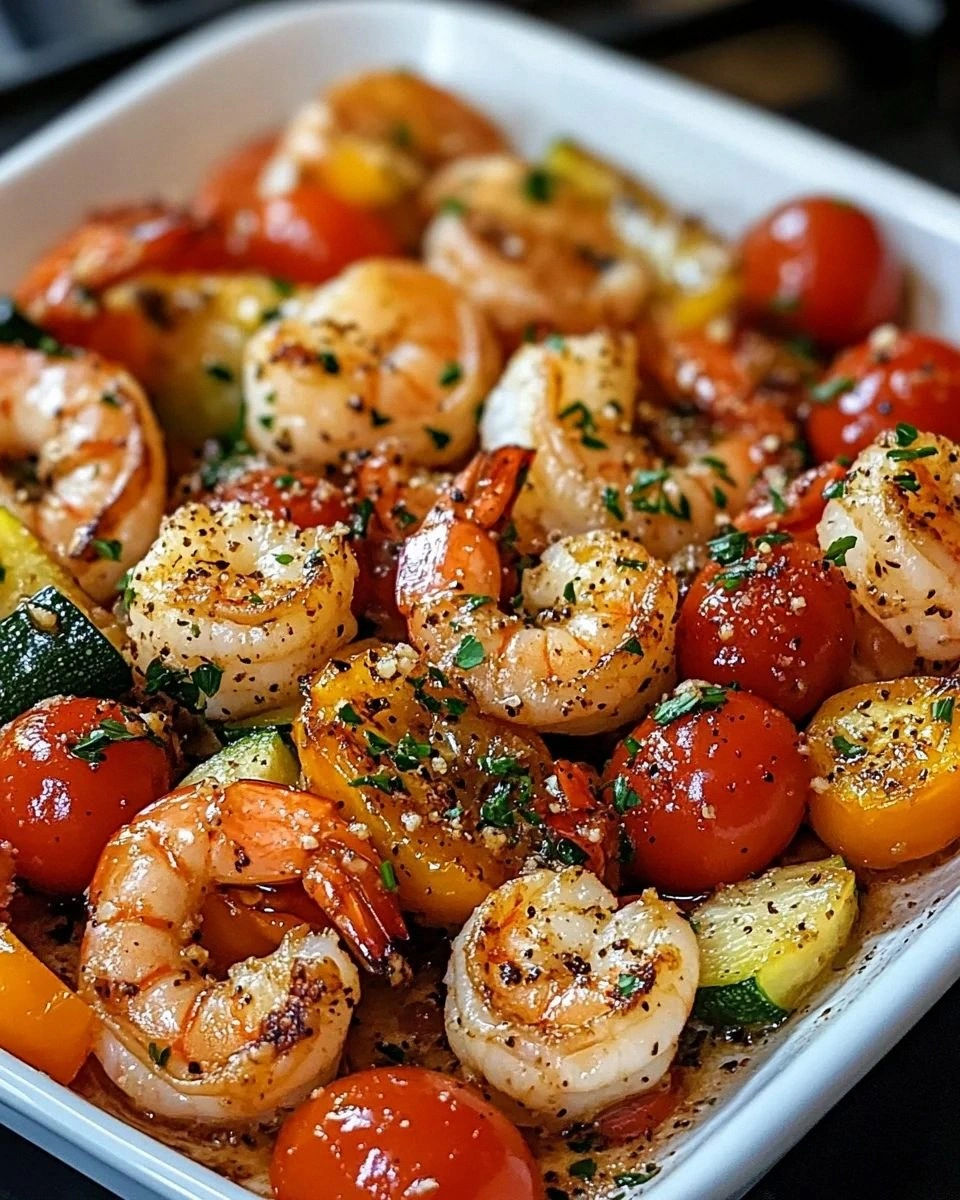
Add grilled shrimp or tofu cubes for a protein boost. The shrimp’s sweet, briny flavor complements the gochujang, while tofu absorbs the sauce, adding a silky texture. This variation turns the dish into a satisfying main course.
Sweet & Smoky
Swap honey for maple syrup and sprinkle a pinch of smoked paprika. The maple syrup deepens the sweetness, and the paprika adds a subtle smoky undertone that pairs beautifully with the heat.
Veggie Overload
Introduce bell peppers, edamame, or sliced zucchini. These vegetables add color, crunch, and nutritional punch. The extra veggies make the dish more filling and vibrant.
Asian Fusion
Replace peanuts with cashews and add sesame seeds. The cashews provide a buttery crunch, while sesame seeds add a nutty aroma. This swap gives the dish an extra layer of depth.
Mediterranean Twist
Add crumbled feta cheese and sliced olives. The salty feta balances the heat, and the olives bring a briny bite that elevates the flavor profile.
Breakfast Kick
Top the salad with a poached egg. The runny yolk coats the rice, creating a rich, velvety sauce that’s perfect for a hearty breakfast or brunch.
Storing and Bringing It Back to Life
Fridge Storage
Store the salad in an airtight container for up to three days. Keep it refrigerated to preserve the crunch of the rice and peanuts. If you notice the rice has softened, a quick stir in a dry skillet will restore its texture.
Freezer Friendly
The dish can be frozen for up to two weeks in a freezer‑safe container. When ready to eat, thaw overnight in the fridge. Reheat in a skillet over medium heat, adding a splash of water to keep the rice from drying out.
Best Reheating Method
Reheat the salad in a dry skillet for five minutes, stirring occasionally. Add a tiny splash of water before reheating; this steams the rice back to perfection. Finish with a sprinkle of fresh cilantro for a fresh, bright finish.