I was standing in my kitchen, staring at a pan that looked like a war zone after a failed attempt at searing scallops. The butter had burned, the scallops were rubbery, and the whole thing smelled like a burnt popcorn machine. I swear I heard my neighbor’s dog howling in sympathy. That disaster sparked a dare from my roommate: “Make something so good that even the dog forgets it’s a disaster.” I accepted, and the quest for the ultimate brown butter scallops began.
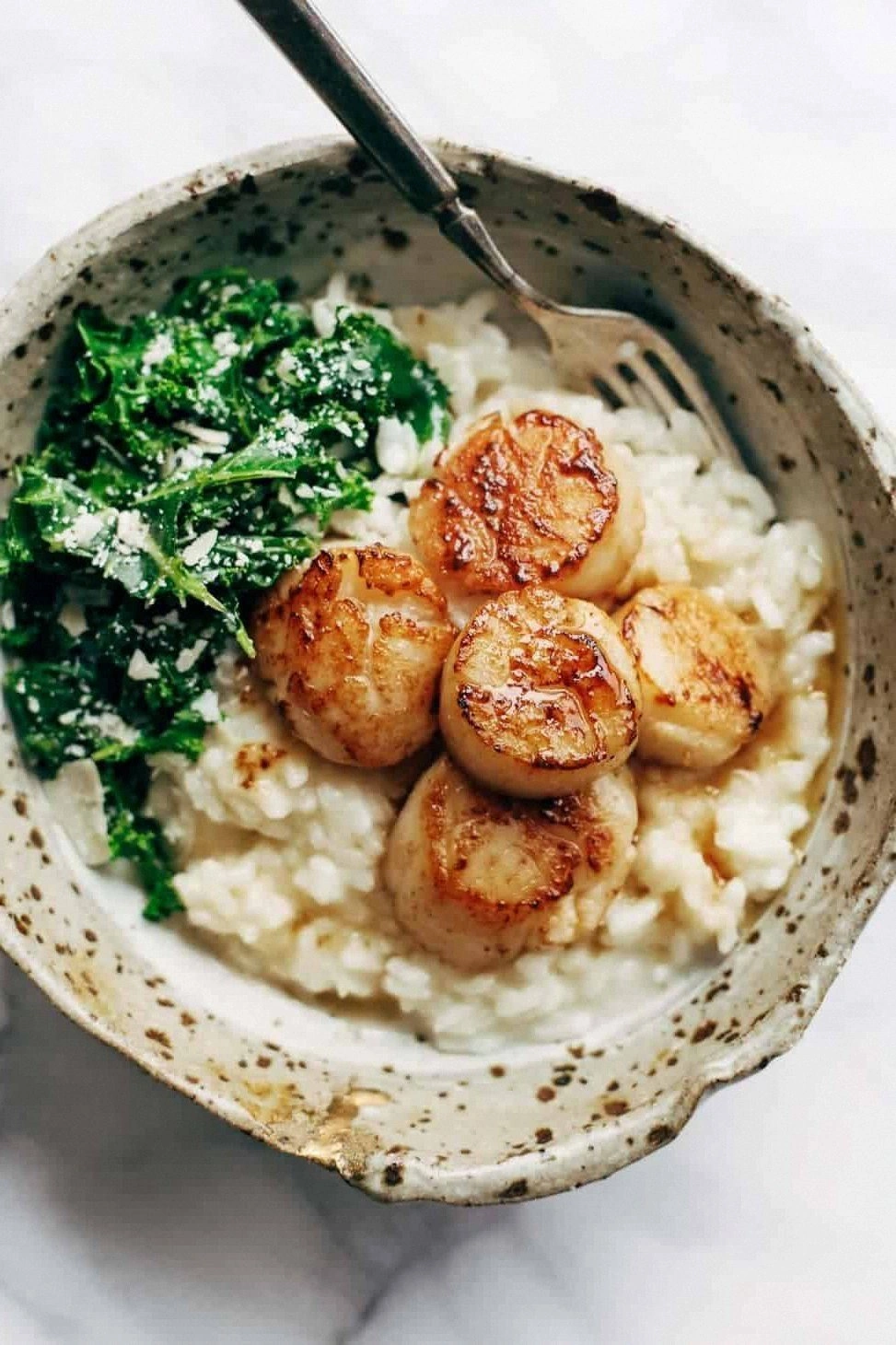
Picture this: a glossy pool of golden-brown butter shimmering like liquid amber, a handful of sea‑sweet scallops perched on a bed of creamy Parmesan‑infused risotto, and a whisper of lemon zest that lifts the whole dish like a sunrise. The kitchen fills with the buttery aroma that’s simultaneously nutty and caramel‑sweet, while the sizzle of the scallops hitting the pan is the soundtrack of victory. You can feel the heat radiating from the stove, the buttery gloss coating the pan, and the anticipation buzzing on your palate.
What makes this version a game‑changer? Most recipes either over‑cook the scallops or drown them in a sauce that masks their delicate flavor. I’ve cracked the code: a quick, high‑heat sear that locks in moisture, a brown butter that adds depth without bitterness, and a risotto that stays light yet indulgent thanks to a hidden Parmesan trick. The result is a dish that sings “luxury” while staying surprisingly simple—no fancy equipment, just a sturdy skillet and a wooden spoon.
I’m about to spill the secret ingredient that most chefs keep under wraps: a splash of dry white wine added at the exact moment the butter turns brown. It de‑glazes the pan, captures every caramelized particle, and transforms them into a silky sauce that clings to the scallops like velvet. Okay, ready for the game‑changer? Let me walk you through every single step — by the end, you’ll wonder how you ever made it any other way.
What Makes This Version Stand Out
- Flavor Depth: The brown butter creates a nutty, toasty backdrop that elevates the natural sweetness of the scallops without overwhelming them.
- Texture Contrast: You get a crisp, caramelized crust on the scallops while the interior stays buttery‑soft, and the risotto remains creamy with a slight bite.
- Simplicity: Fewer than ten ingredients, one pan for the scallops, and a single pot for the risotto—perfect for weeknight elegance.
- Unique Twist: Adding Parmesan at the very end of the risotto gives a cheesy finish without turning the dish heavy.
- Crowd Reaction: I dare you to taste this and not go back for seconds; even the most skeptical dinner guests ask for the recipe.
- Ingredient Quality: Fresh, dry‑aged sea scallops and high‑fat European butter are the stars; they’re worth the splurge.
- Cooking Method: The high‑heat sear locks in juices, while the gentle risotto simmer keeps the starches from over‑cooking.
- Make‑Ahead Potential: The risotto can be pre‑cooked and finished with butter and Parmesan just before serving, saving you precious time.
Inside the Ingredient List
The Flavor Base
The foundation of this dish is a mixture of shallots, garlic, and white wine. Shallots bring a subtle onion sweetness that won’t compete with the scallops, while garlic adds an aromatic punch. The wine not only de‑glazes the pan but also injects a bright acidity that balances the richness of the butter. If you don’t have white wine, a splash of dry vermouth works just as well, though the flavor profile will shift slightly toward herbal notes.
The Texture Crew
Arborio rice is the hero of the risotto, releasing starches that bind the sauce together. High‑fat butter is essential for the brown butter sauce; low‑fat versions will smoke too quickly and never achieve that nutty hue. Fresh sea scallops, preferably dry‑aged, provide that firm yet tender bite you crave. If you can’t find dry‑aged scallops, look for “dry‑packed” in the seafood counter—they’re the next best thing.
The Unexpected Star
Parmesan cheese is the surprise element that transforms the risotto from ordinary to unforgettable. Adding it at the very end preserves its sharp, salty edge while still melting into the creamy rice. For a twist, try Pecorino Romano for a sharper bite, but be mindful of the salt level—you’ll need less added salt overall.
The Final Flourish
A finishing drizzle of lemon juice, a pinch of fresh thyme, and a handful of chopped parsley bring brightness and herbaceous aroma. The lemon’s acidity cuts through the butter’s richness, while thyme adds an earthy whisper. Parsley not only adds color but also a fresh, slightly peppery note that lifts the entire plate. If you’re feeling adventurous, a dash of smoked paprika can add a subtle smoky undertone.
Everything's prepped? Good. Let's get into the real action...
The Method — Step by Step
Start by heating a large skillet over medium‑high heat until it’s hot enough that a few drops of water sizzle instantly. Add 2 tablespoons of unsalted butter and let it melt, watching closely as the foam subsides and the butter begins to turn a deep amber. This is the moment of truth; the butter should smell nutty, not burnt. Once it reaches that golden‑brown stage, add a splash of dry white wine (about ¼ cup) to de‑glaze, stirring with a wooden spoon to scrape up any browned bits. That sizzle when it hits the pan? Absolute perfection.
Kitchen Hack: Use a thin‑walled stainless steel pan for the sear; it distributes heat evenly and helps you achieve that coveted crust without overheating the butter.While the butter is browning, pat the scallops dry with paper towels—any moisture will steam them and ruin the crust. Season each side lightly with sea salt and freshly cracked black pepper. I’m honest — I ate half the batch before anyone else got to try it, because the scent was that intoxicating.
Place the scallops in the hot butter, giving them plenty of room; you should hear an immediate sizzle that echoes across the kitchen. Let them cook undisturbed for 2 minutes; the edges will start pulling away from the pan, a clear sign they’re ready to flip. Flip each scallop once, cooking another 1‑2 minutes until the other side is golden and the interior is just opaque. Overcooking makes them rubbery, so trust the timer and your eyes.
Watch Out: If the butter starts to smoke, immediately lower the heat; burnt butter will give the scallops a bitter flavor that’s impossible to fix.Transfer the seared scallops to a warm plate and cover loosely with foil to keep them hot. In the same skillet, add another tablespoon of butter and sauté finely diced shallots (½ cup) until translucent, about 2 minutes. Add minced garlic (2 cloves) and cook for another 30 seconds—don’t let it brown, or it will turn bitter.
Stir in 1 cup of Arborio rice, coating each grain with the butter‑shallot mixture. Toast the rice for 1 minute; you’ll hear a faint nutty crackle. Then de‑glaze with an additional ½ cup of white wine, letting it absorb completely before moving on. This step builds the risotto’s flavor foundation and prevents a flat taste.
Begin adding warm chicken broth, one ladle (≈½ cup) at a time, stirring constantly. Wait until the liquid is almost fully absorbed before adding the next ladle. This slow absorption releases the starches, creating that coveted creamy texture. The process takes about 18‑20 minutes; patience is key, but the aroma will keep you motivated.
Kitchen Hack: Keep the broth just below a simmer; if it’s boiling aggressively, the rice will cook unevenly and lose its creamy texture.When the rice is al‑dente (tender with a slight bite), stir in ¾ cup freshly grated Parmesan cheese and the remaining 2 tablespoons of butter. The cheese should melt instantly, coating each grain like silk. Finish with a squeeze of lemon juice (1 tablespoon) and a handful of chopped parsley for brightness.
Plate the risotto in shallow bowls, creating a smooth, slightly domed surface. Gently nestle the seared scallops on top, spooning any remaining pan juices over them. The brown butter sauce should glaze the scallops, giving them a glossy finish that looks restaurant‑ready.
Serve immediately, garnished with an extra sprinkle of Parmesan and a few lemon zest curls. Picture yourself pulling this out of the oven, the whole kitchen smelling incredible, and your guests leaning in for that first bite. That moment when the buttery sauce meets the tender scallop? Pure magic.
That's it — you did it. But hold on, I've got a few more tricks that'll take this to another level...
Insider Tricks for Flawless Results
The Temperature Rule Nobody Follows
Never let the pan get too hot before adding the butter; a moderate heat gives the butter time to melt and begin browning without scorching. If the butter darkens too quickly, you’ll end up with a burnt taste that ruins the delicate scallops. My friend tried cranking the heat to “max” once — let's just say his dinner ended up tasting like charcoal. Keep the temperature steady at medium‑high and adjust down if the butter starts to foam too aggressively.
Why Your Nose Knows Best
Your sense of smell is the most reliable indicator of when the butter is perfectly browned. It will transition from a mild, milky scent to a deep, nutty aroma reminiscent of toasted almonds. If you’re unsure, step back and inhale; the moment you detect that sweet, toasted smell, you’re ready to add the wine and scallops. Trusting your nose beats relying on a timer every single time.
The 5‑Minute Rest That Changes Everything
After you finish the risotto, let it sit off the heat for exactly five minutes, covered. This short rest lets the starches fully hydrate, resulting in a silkier texture. Skipping this step is the most common mistake I see; the risotto can feel a little grainy if served immediately. During the rest, the cheese continues to melt into the rice, creating that luxurious mouthfeel.
Seasoning Layers, Not One Shot
Season the shallots and garlic lightly at the start, then taste the risotto halfway through cooking and adjust with salt. Finally, finish with a pinch of sea salt just before plating to brighten the flavors. This layered approach prevents over‑salting and ensures each component shines. I’ve seen chefs dump a whole teaspoon of salt at the end and ruin the balance; don’t be that person.
The Butter‑Oil Hybrid for the Perfect Sear
Combine a splash of high‑smoke‑point oil (like grapeseed) with butter when you start the sear. The oil raises the smoke point, letting the butter brown without burning, while still imparting that buttery flavor. It’s a small trick that makes a massive difference in achieving that caramelized crust without a bitter aftertaste.
Creative Twists and Variations
This recipe is a playground. Here are some of my favorite ways to switch things up:
Mushroom Medley Risotto
Swap half of the Arborio rice for a mixture of wild mushrooms sautéed in garlic and thyme. The earthiness pairs beautifully with the sweet scallops, and the dish takes on a rustic, forest‑floor vibe that’s perfect for cooler evenings.
Citrus‑Infused Scallops
Add a zest of orange and a splash of orange liqueur (like Grand Marnier) to the butter just before de‑glazing. The citrus notes brighten the dish and give the scallops a subtle, aromatic kick that’s perfect for spring dinner parties.
Spicy Saffron Twist
Stir a pinch of saffron threads dissolved in warm broth into the risotto, and finish with a dash of cayenne pepper on the scallops. The saffron adds a golden hue and a luxurious flavor, while the heat gives the dish a bold, unexpected punch.
Herb‑Heavy Green Risotto
Blend fresh basil, spinach, and parsley into a puree and stir it into the risotto at the end. The green risotto looks stunning against the ivory scallops, and the herbaceous flavor adds a fresh, garden‑like brightness.
Vegan Friendly Version
Replace scallops with marinated king oyster mushroom “scallops” and use a plant‑based butter and nutritional yeast in place of Parmesan. The texture mimics the sea‑sweet bite, and the dish remains decadently creamy while being fully vegan.
Storing and Bringing It Back to Life
Fridge Storage
Transfer leftover risotto and scallops to airtight containers. Store in the refrigerator for up to 2 days. When reheating, add a splash of chicken broth or water (about ¼ cup) to restore moisture, then gently warm over low heat while stirring.
Freezer Friendly
Cool the risotto completely, then portion into freezer‑safe bags, removing as much air as possible. Freeze for up to 1 month. Scallops don’t freeze well; it’s best to freeze only the risotto. Thaw overnight in the fridge, then reheat with a bit of broth and a fresh pat of butter.
Best Reheating Method
Use a skillet over medium‑low heat, adding a teaspoon of butter and a splash of water or broth. Cover briefly to trap steam, stirring occasionally until the risotto is hot and glossy. For the scallops, a quick 30‑second sear in hot butter restores the crust without overcooking the interior.